

BLOG POST
TOP 6 TIPS FOR KEEPING YOUR CAR INTERIOR FRESH AND CLEAN
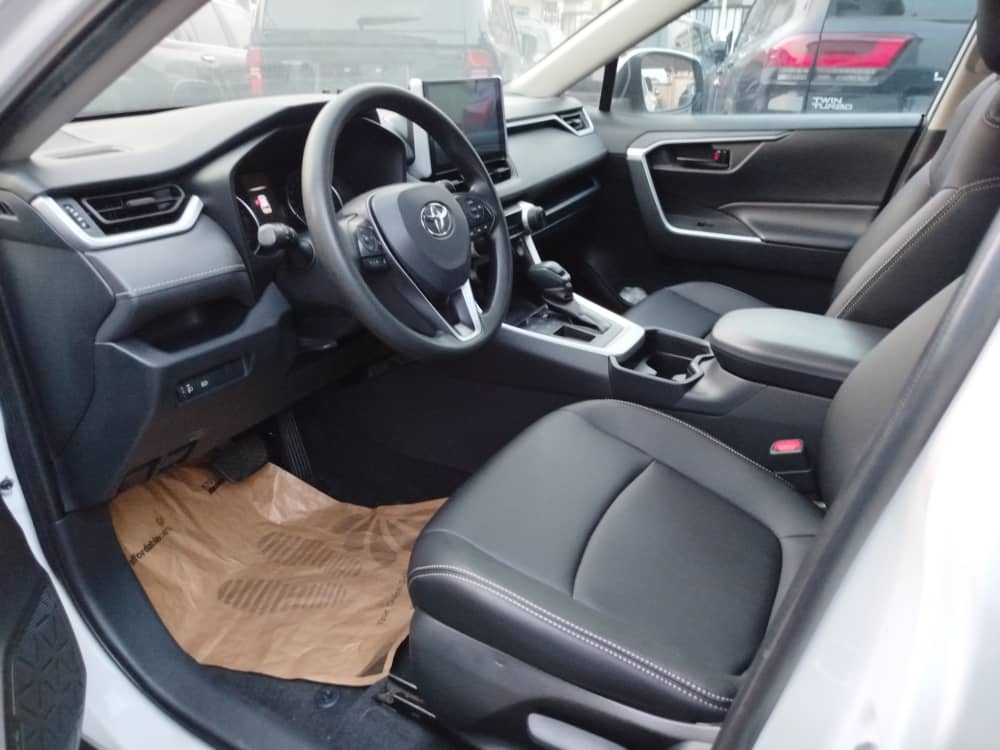
Your vehicle’s interior is where you spend the most time, so keeping it clean, comfortable, and odor-free should be a priority. From crumbs in the seats to dust on the dashboard, it doesn’t take long for the inside of your car to start feeling cluttered and unpleasant. Here are six simple yet effective tips to help you keep your car’s interior in top shape.
1. Declutter Weekly Take a few minutes at the end of each week to remove trash, receipts, wrappers, and any personal items that don’t belong in your car. Keeping clutter under control makes cleaning easier and improves the overall driving experience.
2. Vacuum Regularly Use a handheld vacuum or visit a local car wash station to vacuum your seats, carpets, and floor mats. Dirt, pet hair, and food particles can build up quickly— especially in hard-to-reach places. Don’t forget to slide your seats forward to get every corner.
3. Wipe Down Surfaces Use interior-safe wipes or a microfiber cloth with a gentle cleaner to wipe down the dashboard, steering wheel, center console, and door panels. This helps remove dust, grime, and fingerprints while keeping surfaces looking fresh.
4. Protect with Seat and Floor Covers Consider using seat covers and rubber floor mats, especially if you have kids, pets, or an active lifestyle. These protective layers are easy to remove and clean, helping preserve your original upholstery.
5. Keep an Air Freshener Handy Whether it’s a hanging scent card or a vent clip, a pleasant-smelling interior can make all the difference. For a longer-lasting solution, use a charcoal odor absorber to naturally eliminate smells instead of masking them.
6. Clean Spills Immediately Accidents happen, but the key is to clean up spills right away. Keep a small pack of cleaning wipes or a towel in your glovebox so you can take care of messes before they stain or leave lingering odors. Maintaining your car’s interior isn’t just about cleanliness—it’s about creating a more enjoyable and stress-free ride. With just a little consistency, your vehicle can feel like a fresh space every time you get behind the wheel. Drive Clean. Feel Good.
5 TYRE CARE TIPS FOR SAFER DRIVING AND LONGER TREAD LIFE
Your tyres play a vital role in safety, handling, and fuel
efficiency. Here’s how to take care of them the right way:
1. Check Tyre Pressure Monthly
Low pressure reduces fuel efficiency and causes uneven tread wear. Inflate tyres to the recommended PSI listed in your owner’s manual or on the driver’s door label.
2. Rotate Tyres Every 6,000 – 8,000 Miles
Regular rotation ensures even wear, improves handling, and helps you get the most life out of each set.
3. Inspect for Damage or Uneven Wear
Look for bulges, cracks, or nails in the tread. Catching issues early can prevent dangerous blowouts or costly repairs.
4. Align and Balance Annually
Misaligned or unbalanced tyres lead to uneven wear and steering issues. Schedule an alignment check annually—or sooner if you hit a pothole or curb.
5. Replace When Needed
Worn tyres reduce traction, especially in wet conditions. If your tread depth is below 2/32″, it’s time for a new set.
Drive Safe. Stay Grounded.
7 SMART WAYS TO IMPROVE YOUR VEHICLE’S FUEL EFFICIENCY
Fuel costs can add up quickly, especially if you drive frequently or have a longer
commute. With a few smart driving habits and simple maintenance practices, you
can boost your vehicle’s fuel economy and make every litre count.
1. Drive Smoothly and Avoid Aggressive Acceleration
Rapid acceleration and hard braking burn more fuel than necessary. Try to maintain a steady speed, accelerate gradually, and anticipate stops in advance. Not only does this improve efficiency, but it also reduces wear and tear on your car.
2. Keep Your Tires Properly Inflated
Underinflated tires create more rolling resistance, which forces your engine to work harder. Check your tire pressure at least once a month and inflate them to the manufacturer’s recommended PSI. Properly inflated tires also improve handling and safety.
3. Lighten Your Load
Carrying unnecessary weight, especially heavy items in the trunk, can lower yourMPG. Remove tools, gear, and equipment that you don’t use daily. The lighter your vehicle, the less fuel it consumes.
4. Limit Idle Time
Idling burns fuel without getting you anywhere. If you’re going to be stopped for more than a minute or two—like while waiting in a parking lot—turn off your engine. Most modern engines use less fuel restarting than idling for long periods.
5. Use Cruise Control on Highways
When driving on flat terrain or highways, use cruise control to maintain a consistent speed. Fluctuating speeds can increase fuel consumption, and cruise control helps reduce unnecessary acceleration.
6. Perform Regular Engine Maintenance
A well-maintained engine runs more efficiently. Regular oil changes, replacing air filters, and ensuring your spark plugs are in good condition can significantly impact your fuel economy. Follow your vehicle’s maintenance schedule to keep your engine
in top shape.
7. Plan Efficient Routes
Combine errands into one trip to avoid unnecessary backtracking. Use apps that help avoid traffic congestion and choose routes that require less stop-and-go driving. A little planning goes a long way toward saving fuel. Fuel efficiency isn’t just about saving money it’s also about reducing emissions and extending the life of your vehicle. By adopting a few simple habits and keeping your car in good condition, you’ll get more miles for your money and enjoy a smoother, more efficient drive.
Drive Smart. Save More.
CAR BATTERY CARE: KEEP YOUR VEHICLE POWERED AND READY
Your car battery powers everything from the engine to lights,
music, and navigation. A weak battery can leave you stranded,
so proper care is essential. Here are simple tips to keep it in top
shape:
1. Inspect for Corrosion
Check battery terminals regularly for white, powdery buildup. Clean with baking soda, water, and a wire brush. Always disconnect the battery before cleaning.
2. Ensure It’s Secure
A loose battery can vibrate and get damaged. Make sure it’s firmly mounted in its tray and doesn’t shift while driving.
3. Avoid Frequent Short Trips
Short drives don’t allow the battery to fully recharge. Take a longer drive occasionally to help keep it charged.
4. Limit Electronics Use When Off
Using headlights, radio, or chargers while the engine is off drains your battery. Avoid this, especially with older batteries.
5. Test Twice a Year
Have your battery tested regularly, especially before extreme weather. Most auto shops offer this for free.
6. Protect from Harsh Weather
Extreme heat and cold reduce battery life. Park in a garage when possible or use a battery insulation kit.
7. Replace When Due
Most batteries last 3–5 years. Replace it when it nears the end of that range to avoid unexpected breakdowns.
Stay Charged. Stay Moving.